Most safari itineraries stop at Meru National Park‘s boundary. Bisanadi National Reserve sits just north of it, unfenced and largely unvisited, forming a wild river extension few travelers ever hear about. It covers 606 km2 of dry bush country in Isiolo County, gazetted in 1979 and managed by Kenya Wildlife Service. Wildlife moves freely between Bisanadi and Meru, which makes the reserve a genuine dispersal zone rather than a separate destination. This guide explains what Bisanadi actually is, how it connects to the wider Meru Conservation Area, and what a visitor needs to know before trying to reach it.
Where Bisanadi National Reserve Fits Inside the Meru Conservation Area
Bisanadi is one piece of a much bigger conservation puzzle. The Meru Conservation Area groups Meru National Park, Kora National Park, Bisanadi National Reserve and Mwingi National Reserve into roughly 4,000 to 5,000 km2 of connected habitat centered on the Tana River system. There are no internal fences between these units. Elephants, lions and buffalo cross the Tana River between Meru and Bisanadi on their own schedule, not a tourist one. That connectivity is the main reason conservationists value Bisanadi. It gives wide-ranging species like elephant and rhino room to move that a single fenced park could never provide.
Bisanadi vs Meru National Park: What Is the Difference
Meru National Park is the developed half of this pairing, with gates, lodges and a marked road network. Bisanadi is the wild half, with almost none of that infrastructure. The table below lays out the practical differences.
| Protected Area | Size (km2) | Gazetted | Tourist Infrastructure | Typical Access |
|---|---|---|---|---|
| Meru National Park | 870 | 1966 | Lodges, camps, marked roads, 2 main gates | Road or airstrip |
| Bisanadi National Reserve | 606 | 1979 | Minimal; no lodges, few tracks | Via Meru NP game drives |
| Kora National Park | 1,788 | 1989 | Very limited; ranger posts only | 4×4 self-drive, permit needed |
| Mwingi National Reserve | 745 | 1979 | Minimal | 4×4 self-drive |
Bisanadi has no standalone entry gate of its own. In practice, visitors reach it as an extension of a Meru National Park game drive, crossing north toward the Tana River rather than entering through a separate checkpoint.
Wildlife and Birds in the Bisanadi Dispersal Zone
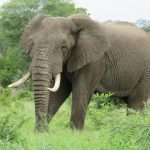
Bisanadi’s hot, semi-arid bush supports lion, elephant, cheetah, buffalo and black rhino moving in and out of Meru National Park. Because the reserve sees so little vehicle traffic, sightings here feel less staged than in busier parks further south. Birders have recorded more than 400 species across the wider conservation area, including several dry-country specials rarely seen in the Mara or Amboseli ecosystems, such as vulturine guineafowl and the golden-breasted starling. The Tana and Rojewero river corridors concentrate that birdlife, especially during the dry months when smaller waterholes disappear.
The Tana and Rojewero Rivers: Boating and Fishing
Two rivers define Bisanadi’s character. The Tana River forms much of its northern edge, and the Rojewero River cuts through Meru National Park before joining it. Both support boating and catch-and-release fishing for species like tilapia and catfish, activities that operators inside Meru National Park arrange rather than Bisanadi itself managing directly. A slow boat trip along these waters is one of the few ways to see Bisanadi’s riverine habitat up close without a long bush walk.
Conservation History: From Poaching Collapse to Recovery
Meru National Park, and the dispersal zones around it, once held one of Kenya’s largest black rhino populations. Aerial surveys in 1976 counted around 120 black rhino in the park. Poaching wiped that population out entirely by the early 1980s. Kenya Wildlife Service launched a restoration programme in 2002 that reintroduced both black and white rhino behind a new electric fence. That fenced sanctuary has since grown from 35 km2 to roughly 92 km2, with corridors built into the fenceline so elephant and other species can still pass through freely. Meru National Park now holds more than 100 rhino, and the wider recovery is a large part of why Bisanadi still supports elephant and rhino moving north across the Tana River today.
The park carries another well-known conservation story. Elsa the lioness, raised by George and Joy Adamson and made famous by the 1966 film Born Free, was released back into the wild in this landscape. Her grave sits near the Adamsons’ old camp inside Meru National Park. Born Free continues to work alongside KWS on anti-poaching and community projects across the conservation area, including the dispersal ground that Bisanadi provides.
Getting to Bisanadi: Roads, Airstrips and Drive Times
Meru National Park, and by extension Bisanadi, sits about 355 km northeast of Nairobi. The drive takes 6 to 8 hours depending on road conditions, entering through either Murera Gate or Ura Gate. A final stretch from Meru town to the gate covers roughly 20 km of narrow tarmac and adds another 30 minutes. Flying is faster: scheduled charters from Wilson Airport reach Kinna airstrip in about 55 minutes, with Murera, Masanduku and Mulika airstrips also serving nearby camps. There is no dedicated Bisanadi airstrip; every flight option lands inside Meru National Park first.
| Route | Distance/Time | Notes |
|---|---|---|
| Nairobi to Meru NP by road | 355 km, 6-8 hrs | Enter via Murera or Ura Gate |
| Meru town to park gate | 20 km, ~30 min | Narrow tarmac, final stretch |
| Wilson Airport to Kinna airstrip | 55 min flight | Closest airstrip to Rhino River Camp |
| Kinna airstrip to Rhino River Camp | ~40 min transfer | By road within the park |
| Elsa’s Kopje airstrip transfer | 15 km, ~40 min | Often run as a game drive |
Where to Stay Near Bisanadi
No lodges sit inside Bisanadi itself, so a stay in Meru National Park is the practical base for reaching it. Elsa’s Kopje, built into a rocky kopje with views over the plains, is the most established option and a past winner of the Good Safari Guide’s Best Safari Property in Africa award. Rhino River Camp sits on the Kindani River on the park’s western border, about 322 km from Nairobi by road. Meru Mulika Lodge, next to Mulika airstrip, offers a simpler and generally cheaper base for travelers who want fewer frills.
Entry Fees and Practical Costs
Kenya Wildlife Service charges Meru National Park fees to any visitor entering the wider conservation area, including trips that continue into Bisanadi. Non-resident rates run around USD 52 per adult and USD 35 per child for a 24-hour period, payable by card, M-Pesa or in advance online. Camps and lodges quote accommodation separately, and rates vary widely by season and property, so treat any published nightly figure as an indicative range rather than a fixed cost. Budget an extra day of park fees if a Bisanadi extension pushes a game drive past the 24-hour cutoff.
Explorer Notes
Ask your guide specifically for a Bisanadi extension before booking a Meru National Park stay, since some standard itineraries never mention it. The reserve has almost no signal coverage, so download offline maps in Meru town before heading in. Early morning game drives toward the Tana River edge tend to produce the best predator sightings, since daytime heat pushes animals into thicker cover. Pack more water than usual. Bisanadi’s dry bush runs hotter than the Mara or Aberdare highlands, and there are no shops or fuel stations once you cross north of Meru National Park’s boundary. Fill the fuel tank in Meru town, not at the park gate, since neither gate sells fuel. Confirm with your camp whether the Bisanadi extension is a half-day or full-day add-on, since drive times to the Tana River edge vary by which gate you enter through.
Frequently Asked Questions
Can tourists visit Bisanadi National Reserve directly? Yes, but only as an extension of a Meru National Park visit. There is no separate entry gate or standalone booking process for Bisanadi.
Is Bisanadi safe for a self-drive safari? It requires a 4×4 and local knowledge of the tracks. Most visitors join a guided game drive from a Meru National Park camp rather than self-driving into Bisanadi.
What is the best time of year to visit? The dry months from June to October and January to February give the clearest game viewing, since animals gather near the Tana and Rojewero rivers.
How does Bisanadi differ from Kora National Park? Kora sits further south along the Tana River and has even less infrastructure than Bisanadi. Both function as dispersal areas rather than standalone tourist parks.
Do I need a separate permit for Bisanadi? No. Meru National Park entry fees cover access to the dispersal areas KWS manages jointly, including Bisanadi.
What to Read Next
- Meru National Park Safari Guide
- Kenya Rhino Range Expansion in Laikipia
- Vulture and Raptor Conservation in the Masai Mara
Planning a trip that includes this corner of the Meru Conservation Area takes local timing and a guide who already knows the tracks. Touring Insights’ Tour Packages page lists operators who build Meru and Bisanadi extensions into a wider northern Kenya itinerary, worth a look before you lock in dates.